
Are you tired of patching, replacing, and worrying about shingles every time a Shenandoah Valley storm rolls through?
Does the thought of investing in a metal roof leave you stuck somewhere between sticker shock and questioning if it is truly worth the upgrade?
You are not alone. We talk with homeowners every day who feel the same way. The shingles look weathered, the repair bills keep stacking up, and a neighbor down the road just installed a beautiful standing seam roof that looks like it will outlast the house itself.
So what is the right call?
At Valley Roofing & Exteriors, we have spent 22 years helping homeowners across Central Virginia and the Shenandoah Valley make roofing decisions they feel good about. We know not every homeowner will choose us, and that is ok. What matters to us is that you have the information needed to make a smart, confident decision, no matter who installs the roof.
In this guide, we explain whether metal roofing is worth the extra investment. We break down what really happens when you switch from shingles to metal: the cost, the trade-offs, how each system performs in our region’s weather, and how to know if the investment makes sense for your home.
Why Are Shenandoah Valley Homeowners Considering Metal Roofing?
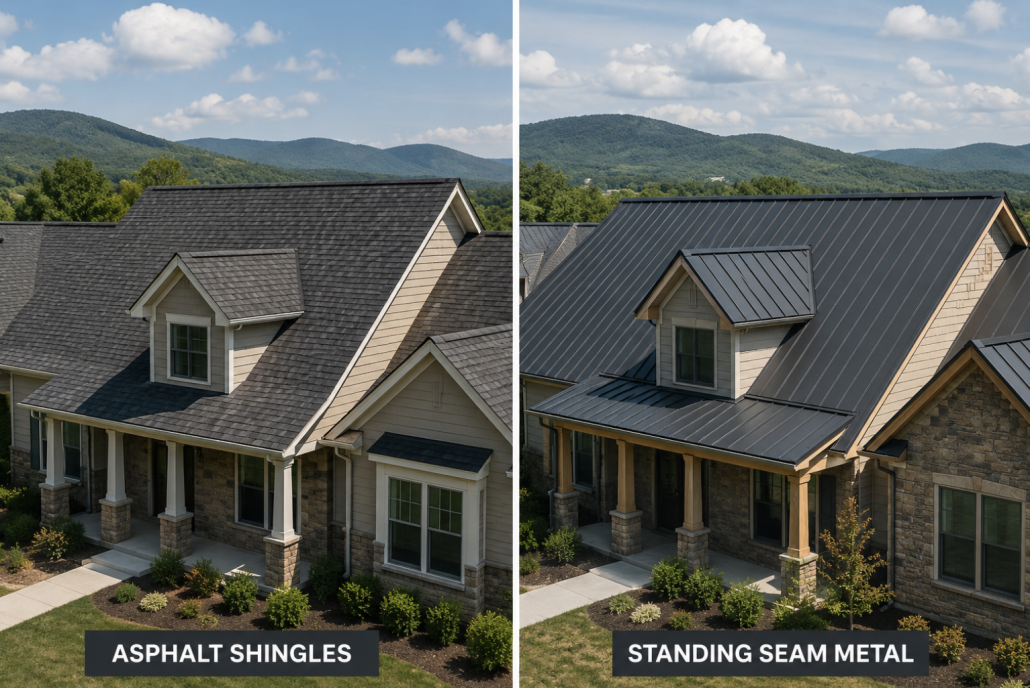
The Valley puts roofs through a lot. Heavy rains roll across the ridges, humidity lingers through summer, and winter swings between ice storms and warm spells that crack and curl shingles. Add in open, rural wind exposure and a stock of historic homes with steep pitches and tight valleys, and it is easy to see why durability matters here in a way it might not elsewhere.
Most homeowners we meet are weighing one of three things: longevity, maintenance fatigue, or storm damage. They are tired of climbing the ladder after every windstorm. They want a roof that will outlive their next mortgage. And they want to stop guessing whether this year’s hailstorm will mean another insurance claim.
What Are the Pros and Cons of Metal Roofing?
Pros of Metal Roofing
-
- Longevity: a standing seam roof can easily last twice as long as shingles, sometimes longer
- Reflects heat in summer, helping reduce cooling costs
- Sheds snow and ice quickly
- Holds up beautifully in heavy rain
- Very low maintenance requirements
- Resale value tends to nudge upward
Cons of Metal Roofing
-
- Higher upfront cost, typically two to three times more than asphalt shingles
- Noise concerns, though largely a non-issue on modern homes with solid plywood decking
- More complex installation requiring a contractor with real metal experience
- In rare extreme-wind events, because metal acts as one continuous system, damage can be more catastrophic than with shingles
How Much Does It Cost to Switch from Shingles to Metal Roofing?
Metal roofing typically runs two to three times the cost of shingles. For a full replacement on the average Valley home, we usually see metal projects land between $25,000 and $50,000.
Several factors push that number up or down:
-
- How steep the roof is
- How many valleys and penetrations exist
- How easy it is to access
- How much tear-off and decking work is required
The harder the roof is to get to and the more details it has, the more the project costs.
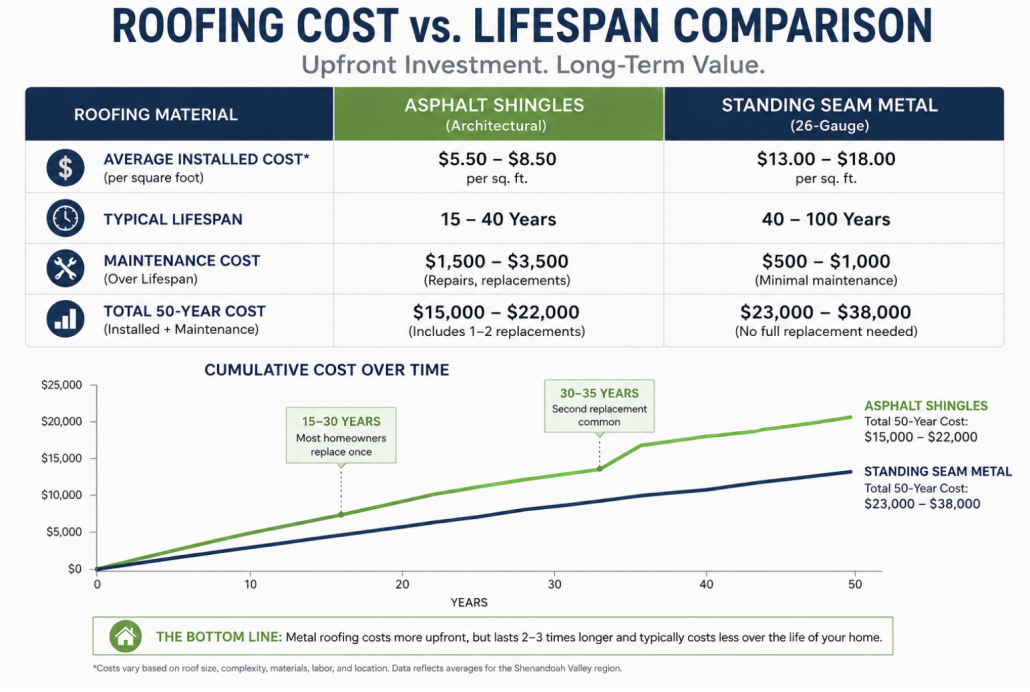
Here is the math that helps homeowners decide. If metal costs roughly twice as much but lasts twice as long, the value evens out.
Modern shingles have closed the gap a little by lasting longer than they used to, which is why this decision is more about lifestyle and timeline than pure dollars.
One important note: when shoppers compare quotes, they sometimes see a corrugated metal price that looks similar to a shingle replacement price. That is not an apples-to-apples comparison. A screw-down corrugated roof is metal, but it will not deliver the 50 to 70-year performance you would expect from a true standing seam system.
What Problems Can Occur When Switching to Metal Roofing?
The most common issues we see are:
-
- Inexperienced installers
- Improper underlayment
- Fasteners driven incorrectly,
- Missed allowances for thermal expansion
- Condensation problems show up when ventilation is overlooked
These can all cause headaches down the road. Longevity is the headline benefit What makes them more consequential on metal than on shingles is that metal roofing functions as an integrated system, panels, fasteners, underlayment, and ventilation all interact. Metal also expands and contracts significantly more than shingles with temperature swings, so fastener placement and panel clearances need to account for movement that shingles simply do not experience. An installation mistake that would be unremarkable on a shingle roof can become a persistent leak or a structural problem on metal. That is why hands-on experience with the specific metal system matters far more than general roofing experience alone.

Can You Install Metal Roofing Over Existing Shingles?
In some cases, yes.
Virginia Residential Code allows it under specific conditions, and some installers prefer to leave the shingles as a sound layer beneath new metal.
However, Valley Roofing & Exteriors generally recommends a full tear-off. A tear-off lets us inspect the decking, install fresh underlayment, and avoid trapping moisture between layers.
How Does Metal Roofing Perform in the Shenandoah Valley Climate?
Metal sheds rain better because there are fewer overlaps to fail, and it shines on lower-pitched roofs where shingles struggle. In summer, the reflective surface helps reduce cooling costs.
| Weather Condition | Shingle Performance | Metal Performance |
|---|---|---|
| Heavy Rain | Moderate | Excellent, fewer joints to leak |
| Low-Pitch Roofs | Limited | Strong, sheds water effectively |
| Snow and Ice | Can retain | Sheds easily |
| Summer Heat | Absorbs | Reflects |
| High Winds | Moderate | High resistance, but failures can be catastrophic |
The honest tradeoff is wind. Because metal acts as one continuous system, when something does fail, it tends to affect larger roof sections. We have seen entire metal roofs lift in extreme storms. That is rare, and proper installation reduces the risk significantly, but homeowners deserve the full picture.
What About the Noise?
This is the question we hear most. The short answer: on a modern home, metal is not loud.
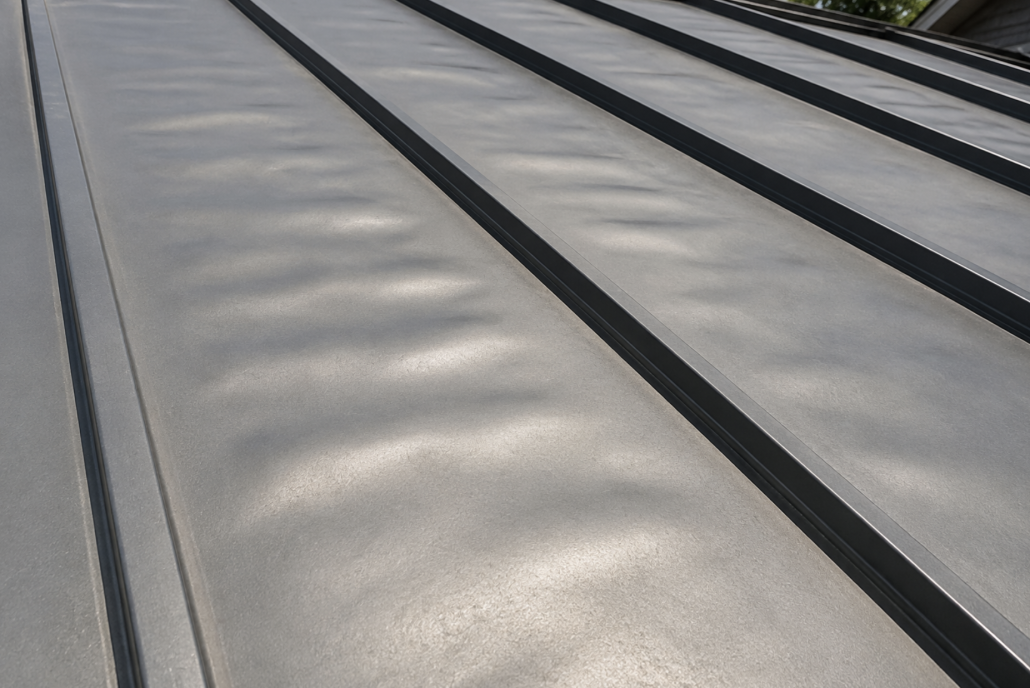
Newer roofs are installed over a solid plywood deck, which dampens sound considerably. The noise reputation comes from older houses with board roof decking that acts like a hollow drum, often combined with thinner metal that has shifted and expanded over decades, pictured below, producing what we call “oil canning”, the visible rippling or waviness in flat metal panels, caused by internal stress from manufacturing tolerances, thermal expansion, or movement over time.
When a new metal roof goes on a modern deck, that drumming sound is simply not there.
How Do You Know If Switching to Metal Is Right for You?
Ask yourself a few honest questions:
-
- How long do you plan to own the home?
- What is your budget today versus your tolerance for repairs over the next twenty years?
- Do you love the look of metal, or are you committed to a traditional shingle aesthetic?
- How important is low maintenance to your lifestyle?
Most homeowners we meet who switch to metal are not planning to sell anytime soon. They simply do not want to deal with another roof in their lifetime.
What Should You Look for in a Metal Roofing Contractor?
Finding the right contractor matters as much as choosing the right material. Here is what separates a qualified metal roofer from one who is figuring it out on your home.
Hands-on experience with the specific system is the starting point. Standing seam installation is a distinct skill, and not every roofer who touches metal has truly mastered it. Ask how many standing seam projects they have completed and how recently.
Manufacturer certifications carry real weight. Certified installers have been trained and approved by the panel makers themselves, and those credentials typically unlock stronger material warranties, warranties that an uncertified contractor simply cannot offer you.
Proof of insurance is non-negotiable. Ask for current certificates of general liability and workers’ compensation before any work begins. A legitimate contractor provides these without hesitation.
Ask to see metal-specific portfolio examples, not just general roofing photos. Look at completed metal projects, especially ones that match your roof’s complexity, whether that means steep pitches, tight valleys, or the historic details common throughout the Valley. Clean seam lines and quality trim work are visible signs of real craftsmanship.
Finally, ask for references from similar projects. A contractor confident in their work welcomes comparison. Speaking with homeowners whose roofs resemble yours in scope, age, or style will tell you far more than any sales conversation. Look for deep familiarity with Shenandoah Valley weather patterns and historic home construction, and insist on written warranties covering both materials and labor. If they have completed work locally, ask for addresses you can drive by and see.
So, Is It Worth Switching from Shingles to Metal?
Switching from shingles to metal is a long-term investment that touches durability, cost, performance, and curb-appeal.
Many Valley homeowners are tired of repeated repairs, escalating maintenance, and the cycle of storm damage that comes with aging shingles. Metal can break that cycle, but only when the math fits your situation.
If long-term durability matters more than upfront cost, then metal is likely the better choice.
If you plan to stay in your home for decades, then the return on investment becomes much clearer.
At Valley Roofing & Exteriors, we help homeowners across the Shenandoah Valley walk through these decisions with clarity, transparency, and zero pressure. Whether you choose us or someone else, you deserve a roof that fits your home, your budget, and your future.
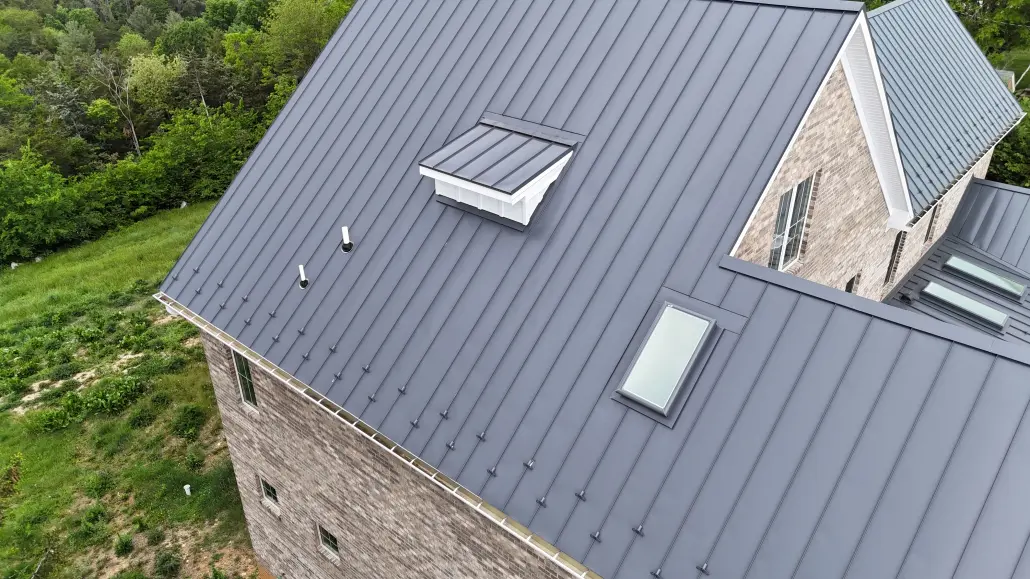
Take a look at our project gallery to see what quality metal and shingle work looks like up close.
When you are ready to talk specifics, schedule a discovery call with one of our project consultants, and we will help you weigh the numbers for your home.