Pricing
How To Get A Roofing Estimate
Most homeowners just want to know one thing: “What will it cost?” Roof pricing can be frustrating because most sites refuse to give you a number. At Valley Roofing & Exteriors, we believe homeowners deserve straight answers.
How Much Does A Roof Replacement Cost In Central Virginia?
These ranges are designed to help you budget. Your exact price depends on roof size, pitch, complexity, materials, and what we find during the inspection (like necessary decking repairs or ventilation upgrades).
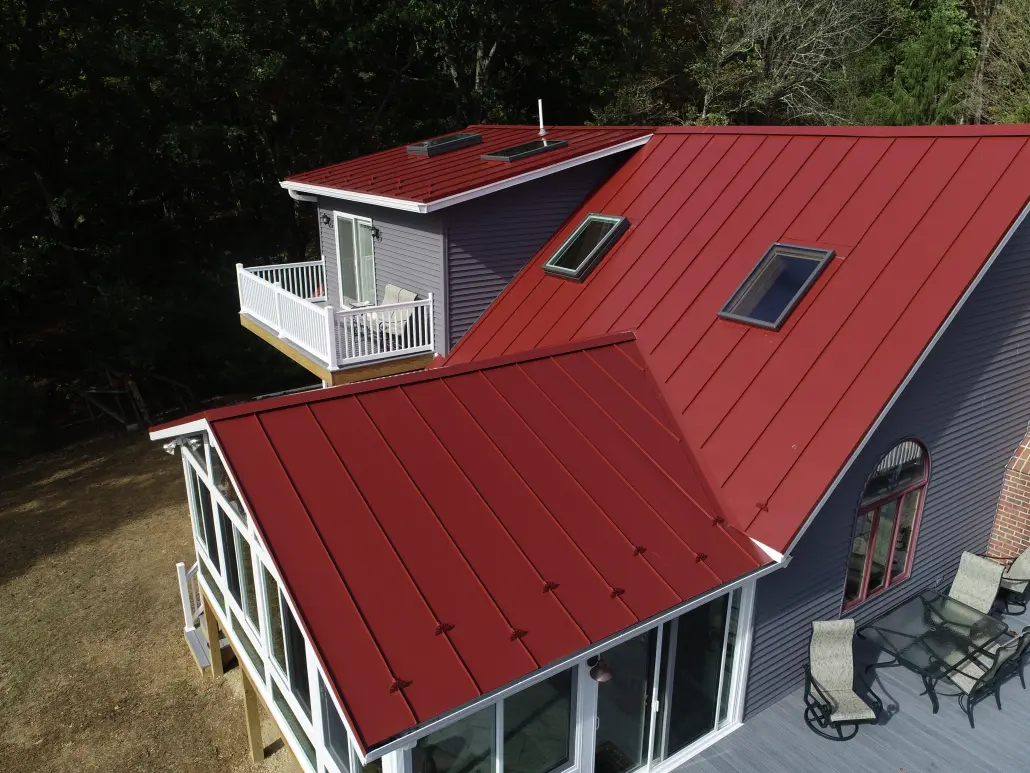
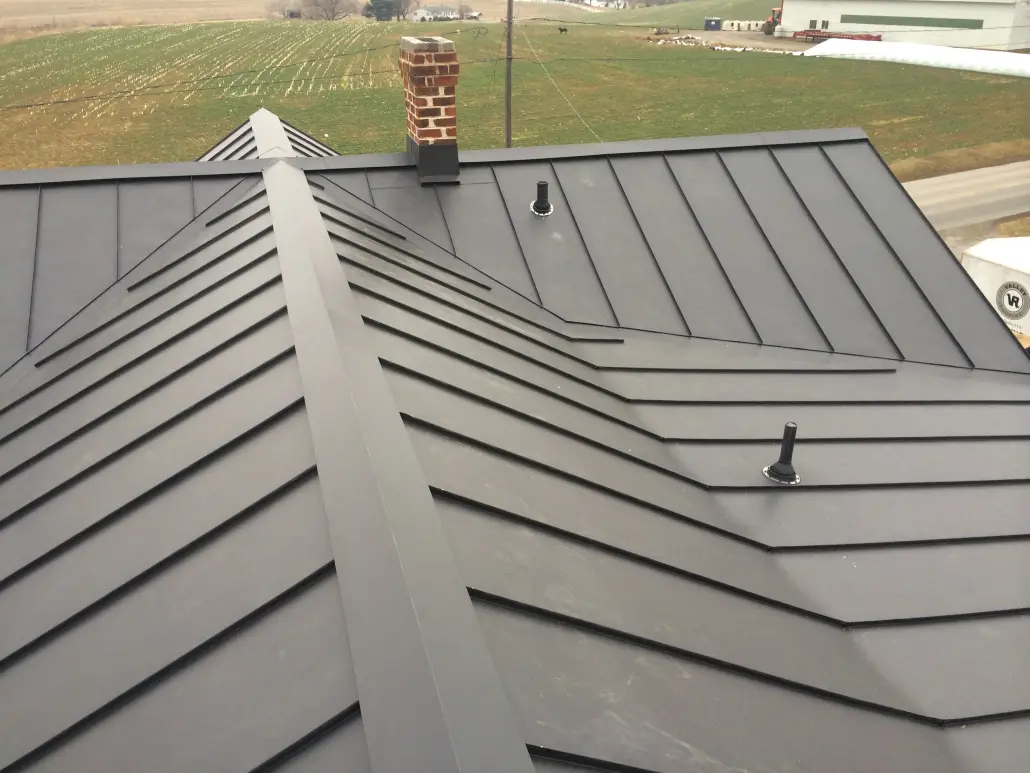
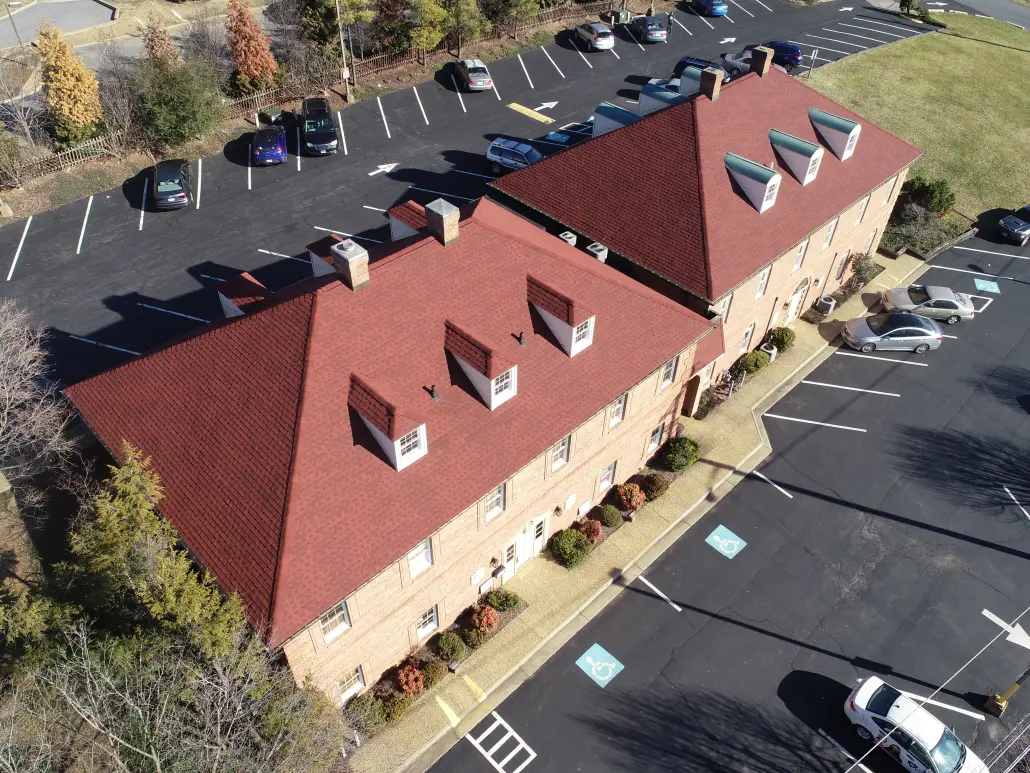
Roof replacement pricing is a lot like buying a vehicle: there is a baseline model price around $12,000-$18,000, a best-fit mid-range option priced around $25,000-$40,000, and a premium “built to last” upgrade priced approximately $50,000-$80,000. Roofs work the same way as automobile pricing.
The price changes based on the system you choose, the features included, and how long you want it to last. So the goal is not the “cheapest,” it’s the right fit for your budget, home and how long you plan to stay.
We see three types of homeowners:
- Some buyers choose the most affordable option that simply gets them back on the road.
- Other customers want the best balance of performance, comfort, and reliability.
- And then some prefer the top-tier option with maximum durability, fewer headaches, and the longest lifespan.
Roof pricing is based on roof surface area, not your home’s interior square footage. (A “roofing square” = 100 sq. ft. of roof area.)
Important note: These are ballpark ranges, NOT a firm or final quote. For accuracy, we do not price roof replacements from photos or over the phone. Your estimate can only come from a thorough, in-person inspection by one of our certified consultants.
Price Estimates By Material
| Feature | Basic Asphalt Shingle | Designer Asphalt Shingle | Slate & Cedar Shingle | Metal | Copper |
|---|---|---|---|---|---|
| Simple Ranch Style House | $11,000-16,000 | $13,000-18,000 | $25,000-33,000 | $27,000-34,000 | $40,000-48,000 |
| Medium Cape Cod Style House | $13,000-20,000 | $15,000-24,000 | $30,000-38,000 | $30,000-40,000 | $50,000-80,000 |
| Large Complex Multifaceted House | $20,000+ | $25,000+ | $38,000+ | $40,000+ | $80,000+ |
| Lifespan | 25+ Years | 30+ Years | 25-80 Years | 75+ Years | 80+ Years |
| Warranty | Lifetime Limited Warranty | Lifetime Limited Warranty | Contractor Warranty Only | 20 Years On Roof, Lifetime On Finish | Contractor Warranty Only |
| Maintenance | Low | Very Low | Moderate (Fastener Checks) | Very Low | Very Low |
| Wind Resistance | Standard | Infinity Wind Rating | High | Very High | Very High |
| Algae Protection | Standard | 30-Year Algae Warranty | N/A | N/A | N/A |
| Curb Appeal | Good | Excellent (Designer Options) | Historic & High-End Homes | Sleek, Architectural | Timeless, Classy |
| Best For | Budget-Conscious Homeowners | Long-Term Homeowners (10+ Years) | Farmhouses & Historic Properties | Historic & High-end Homes, Very Versatile | Historic & High-end Homes, Very Versatile |
| Not For | Low-Slope Roofs | Low-Slope Roofs | Homeowners Prioritizing Lowest Upfront Cost | Budget-Conscious | Homeowners Prioritizing Lowest Upfront Cost |
| Value Positioning | Most Affordable | Great Long-Term Value | Varies | Best Long-Term Value | Premium Option, Long-Term Investment |
Upfront Price Vs Lifetime Cost
Basic Asphalt Shingles
| House Type | Typical Upfront Investment | Expected Lifespan | Estimated Cost Per Year* |
|---|---|---|---|
| Simple Ranch Style House | $11,000-16,000 | 25+ Years | $540/Year |
| Medium Cape Cod Style House | $13,000-20,000 | 25+ Years | $660/Year |
| Large Complex Multifaceted House | $20,000+ | 25+ Years | $800/Year |
Designer Asphalt Shingles
| House Type | Typical Upfront Investment | Expected Lifespan | Estimated Cost Per Year* |
|---|---|---|---|
| Simple Ranch Style House | $13,000-18,000 | 30+ Years | $517/Year |
| Medium Cape Cod Style House | $15,000-24,000 | 30+ Years | $650/Year |
| Large Complex Multifaceted House | $25,000+ | 30+ Years | $833/Year |
Slate & Cedar Shingles
| House Type | Typical Upfront Investment | Expected Lifespan | Estimated Cost Per Year* |
|---|---|---|---|
| Simple Ranch Style House | $25,000-33,000 | 25-80 Years | $580/Year |
| Medium Cape Cod Style House | $30,000-38,000 | 25-80 Years | $680/Year |
| Large Complex Multifaceted House | $38,000+ | 25-80 Years | $760/Year |
Metal Roofs
| House Type | Typical Upfront Investment | Expected Lifespan | Estimated Cost Per Year* |
|---|---|---|---|
| Simple Ranch Style House | $27,000-34,000 | 75+ Years | $407/Year |
| Medium Cape Cod Style House | $30,000-40,000 | 75+ Years | $467/Year |
| Large Complex Multifaceted House | $40,000+ | 75+ Years | $533/Year |
Copper Roofs
| House Type | Typical Upfront Investment | Expected Lifespan | Estimated Cost Per Year* |
|---|---|---|---|
| Simple Ranch Style House | $40,000-48,000 | 80+ Years | $440/Year |
| Medium Cape Cod Style House | $50,000-80,000 | 80+ Years | $650/Year |
| Large Complex Multifaceted House | $80,000+ | 80+ Years | $800/Year |
What Sets Us Apart
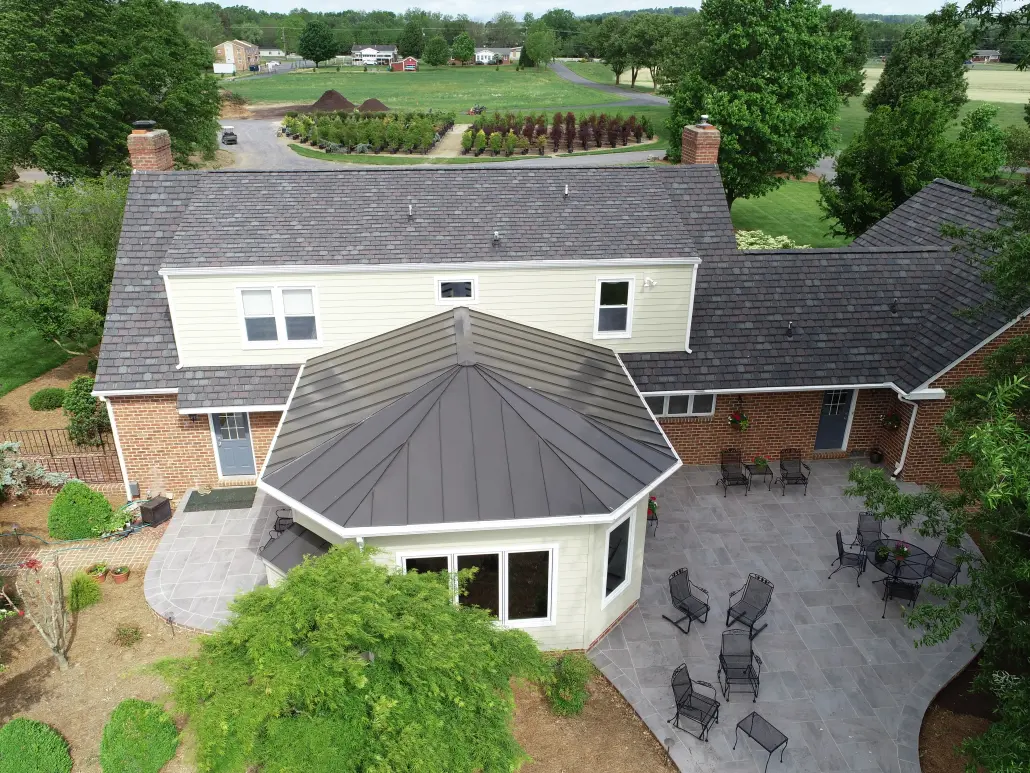
20+ Years Serving the Shenandoah Valley & Central Virginia
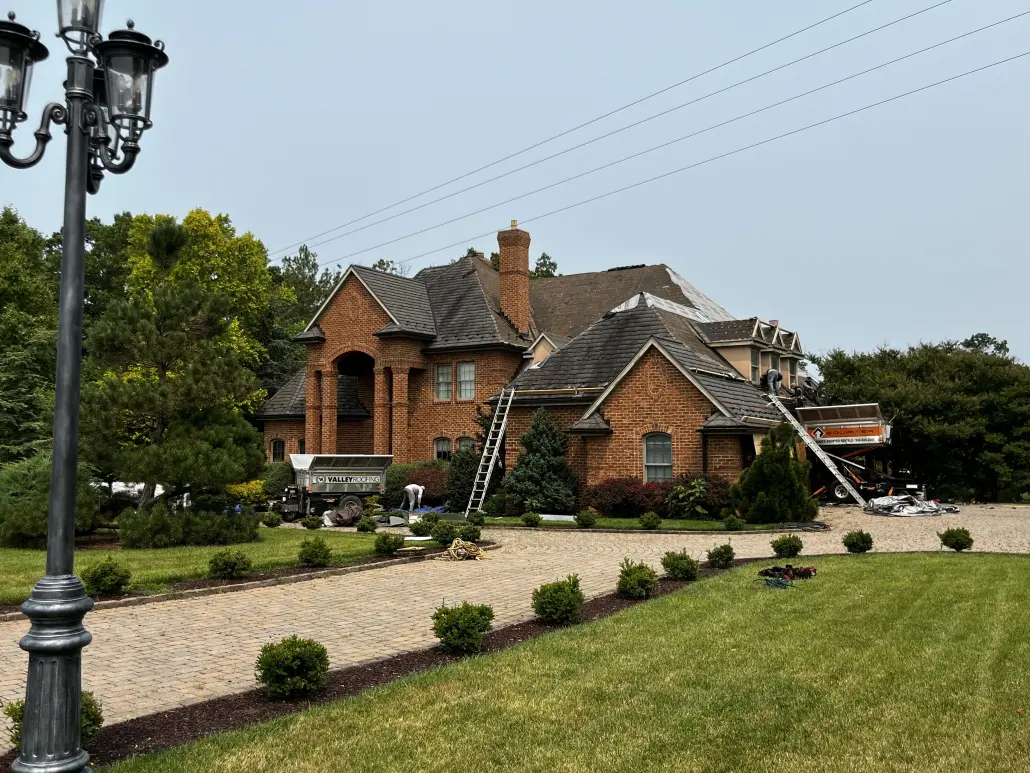
GAF Certified Contractor
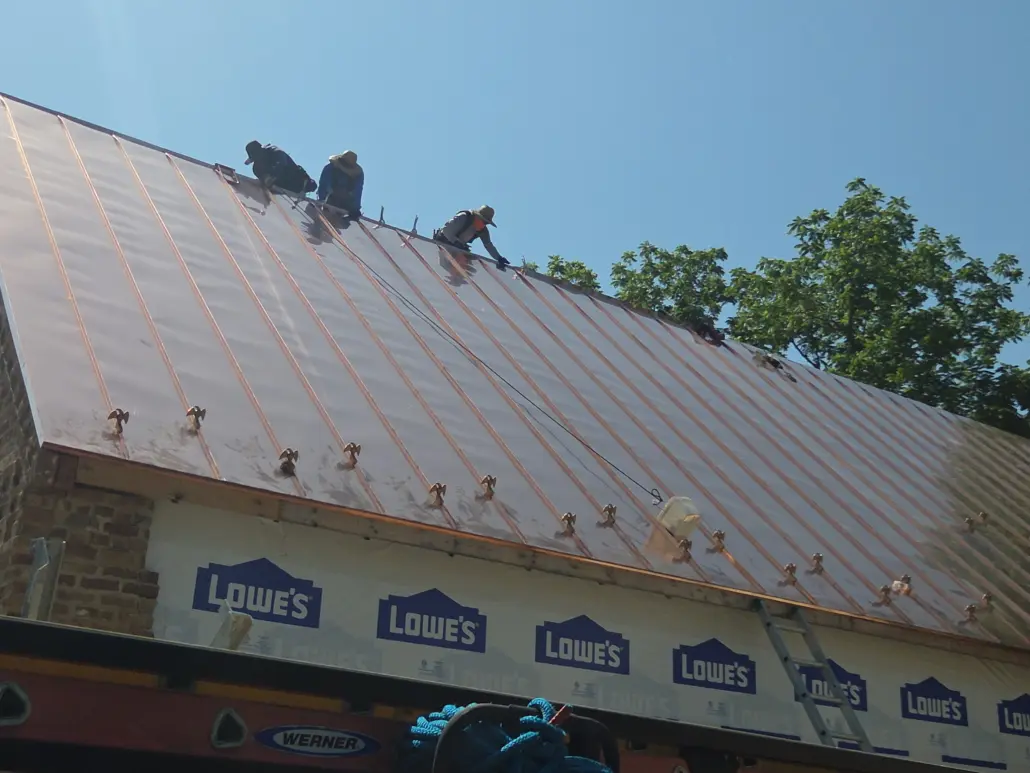
Lifetime Materials + Labor Warranty
What Drives Roof Pricing Up Or Down?
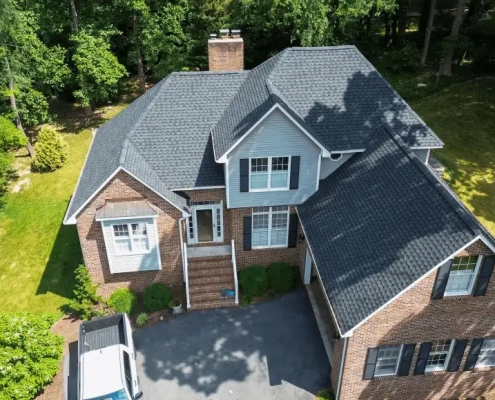
Roof Design & Structure
- Pitch & Steepness: Steeper roofs require more labor and safety setup
- Design Complexity: Angles, valleys, hips, dormers, chimneys, penetrations
- Skylights: Additional tie-ins and waterproofing details
Tear-Off & Hidden Conditions
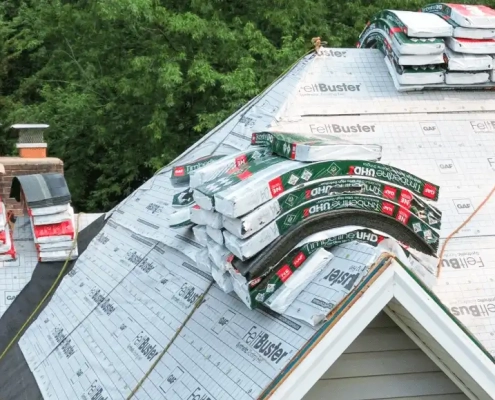
- Tear-Off Requirements: One layer vs multiple layers
- Decking Or Structural Repairs: Damaged plywood/sheathing discovered during tear-off
- Drip Edge Surprises: Edge metal/wood issues we cannot see before tear-off
Ventilation & Water Management
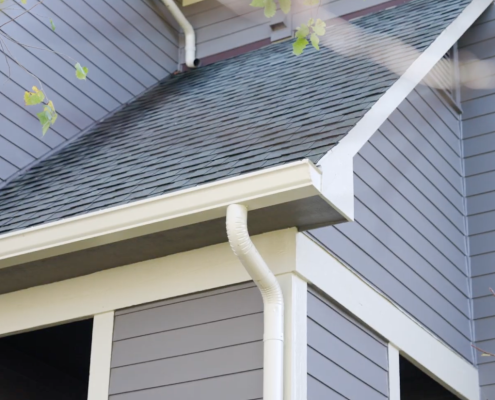
- Ventilation Corrections: Balancing intake/exhaust, ridge vent, added components
- Flashing & Transitions: Chimney, wall, and valley details that may need rebuilding—not reuse
Materials & System Choices
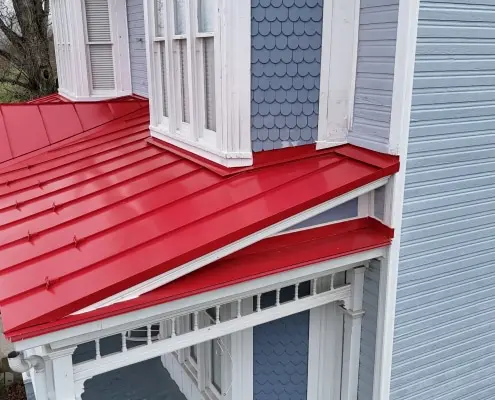
- Material Selection: Premium or designer shingles and system components
- Warranties/Guarantees: Manufacturer and workmanship coverage levels
Access & Logistics
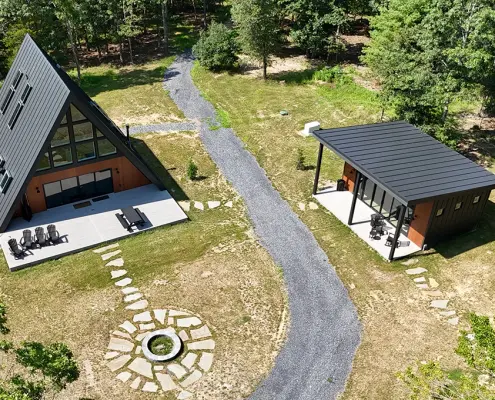
- Access & Site Logistics: Height, tight landscaping, and/or driveway placement
- Gutter Issues: Alignment and integration with the new roof system

Regulations & Requirements
- Permits/Code Requirements: Codes vary by city and state
What Has Changed In Roof Pricing Over The Last 5 Years?
2020
What Happened: COVID disruptions begin
Impact On Pricing: Material shortages, early price increases
2021
What Happened: Supply chain instability
Impact On Pricing: Sharp increase in pricing of shingles, lumber, metals
2022
What Happened: Peak inflation & demand
Impact On Pricing: Significant jumps in labor and material costs
2023
What Happened: Market stabilization begins
Impact On Pricing: Slower increases, but pricing remains elevated
2024-2025
What Happened: Ongoing adjustments
Impact On Pricing: Gradual increases tied to labor, fuel, and demand
What this means for homeowners:
Roofing prices are not static. Material and labor costs tend to rise regularly, which is why quotes from even a year or two ago may no longer reflect current pricing.
Roof Replacement Pricing
Frequently Asked Questions
We know replacing a roof is a major investment, and price is usually one of the biggest questions homeowners have. Here are answers to some of the most common questions we hear about roof replacement costs in Central Virginia.
How much should I budget for a roof replacement?
For many homes in Central Virginia, a roof replacement can range from roughly $11,000 for a basic asphalt shingle roof to $80,000+ for larger, more complex roofs or premium materials.
That’s a wide range because there is no single price for a new roof. Your roof’s size, pitch, complexity, material, condition, ventilation needs, and other factors all affect the final investment.
The best way to think about these numbers is as a budgeting guide, not a quote. An in-person roof inspection is necessary to determine what your particular home will require.
Why can’t you give me an exact roof replacement price online?
No two homes are priced the same. Two homes with similar square footage can have very different roofs.
Roofing is priced based on the actual roof surface area and the work required, not simply the interior square footage of your home. Pitch, valleys, dormers, chimneys, skylights, accessibility, existing roof layers, flashing, ventilation, and damaged decking can all change the cost.
We would rather give you a realistic range online and then provide an accurate price after inspecting your roof than advertise a low number that changes once the project begins.
Can I lower the cost of my roof replacement?
Potentially. Choosing a more economical roofing material and keeping the roofing system straightforward can reduce your upfront investment.
But lower upfront cost shouldn’t automatically be your goal.
Ask what you’re giving up in exchange for the savings. A less expensive roofing system may have a shorter expected lifespan, different warranty protection, or fewer premium features.
The better question is: Which roofing system gives me the right combination of upfront cost, expected lifespan, protection, and value for how long I plan to own my home?
Why is one roofing contractor’s quote so much cheaper than another?
Two roofing quotes aren’t necessarily pricing the same roof, even when both contractors are proposing “a new roof.”
Differences can come from the materials being installed, underlayment, flashing practices, ventilation work, warranties, labor, insurance, cleanup, installation standards, and what is or is not included in the proposal.
If one quote is dramatically cheaper, do not assume you have found the same roof for less money. Put the estimates side by side and ask each contractor exactly what is included.
The lowest price can be the right choice for some homeowners. Just make sure you understand why it is lower before making your decision.
Are more expensive roofing materials worth the money?
Sometimes, but not for everyone.
If you are planning to stay in your home for many years, investing more upfront in a longer-lasting roofing system may make financial sense. That’s why it is useful to compare lifetime cost, not just installation price.
On the other hand, if working within a strict budget or you do not expect to own the home long-term, paying for the most premium roofing system available may not make sense.
There is not one “best” roof for every homeowner. The best value depends on your home, budget, priorities, and how long you expect to stay there.
Will my final roof price be higher than my estimate?
Our goal is to identify as much as possible during the inspection so your written estimate accurately reflects the work your roof needs.
However, some conditions, particularly damaged or deteriorated decking underneath the existing roofing material, cannot always be seen until the old roof is removed.
Your consultant can explain which potential unknowns apply to your roof and how they would be handled if discovered.
How does the size of my house affect the price of my roof?
Your home’s interior square footage does not tell us exactly how much roofing material you will need.
Roof replacement pricing is based on roof surface area. In the roofing industry, that area is commonly measured in “squares,” with one roofing square equal to 100 square feet.
A home’s roof pitch, overhangs, attached structures, and architectural complexity can mean the actual roof area is considerably different from the home’s interior square footage.
Does a steeper roof cost more to replace?
Generally, yes.
Steeper roofs can require additional labor, equipment, safety measures, and installation time. That means two roofs with similar surface areas can have different replacement costs if one is significantly steeper or more difficult to work on.
How much does roof decking replacement add to the cost?
That depends on how much damaged decking is discovered.
Decking is underneath your existing roofing material, so its full condition is not always visible during an initial inspection. If deteriorated or damaged sections are uncovered during tear-off, they may need to be replaced before the new roofing system can be properly installed.
Before choosing a contractor, ask how decking replacement is priced and how you will be notified if additional work is necessary. This helps you understand a potential additional cost before the project begins.
Should I repair my roof instead of replacing it?
Sometimes a repair is the smarter financial decision.
If the problem is isolated and the rest of the roof still has meaningful service life remaining, replacing the entire roof may not make sense. If the roof is nearing the end of its useful life, has widespread deterioration, or requires increasingly frequent repairs, replacement may provide better long-term value.
A good inspection should never begin with the assumption that you need a new roof. The inspection will determine which option makes the most sense based on the condition of your roof. Read more on roof repair vs. replacement.
Will homeowners insurance pay for my roof replacement?
It depends on why your roof needs to be replaced and the terms of your policy.
Insurance may cover qualifying damage from events such as storms, wind, or hail, subject to your policy, deductible, exclusions, and the insurance company’s determination. Normal aging, wear, maintenance issues, and deterioration generally need to be evaluated differently.
Because policies vary, your insurance provider is the best source for determining exactly what your policy covers.
How long does a new roof last?
It depends heavily on the roofing material, installation, environment, and maintenance.
As a general budgeting comparison, the roofing systems shown in this guide range from 25+ years for basic asphalt shingles to 75+ years for metal and 80+ years for copper.
That is why comparing roofs based only on upfront price can be misleading. A roof that costs more today may provide significantly more years of service.
Are roof prices likely to go down if I wait?
No one can predict future roofing prices with certainty.
However, roofing costs have risen over the past several years as material, labor, fuel, and other business costs have increased. Waiting solely because you’re expecting prices to return to what homeowners paid several years ago may not be a reliable strategy.
More importantly, if your existing roof is already failing, delaying necessary work can potentially lead to additional damage and expense.
What’s included in my Valley Roofing & Exteriors roof estimate?
After a thorough in-person inspection, you will receive a detailed written estimate with options based on your home’s needs and your goals.
We will evaluate the roof’s condition along with important details such as flashing, ventilation, and visible decking concerns. We will then explain your options, answer your questions, and help you understand exactly what you’re paying for before you make a decision.
Still wondering what your roof might cost?
The ranges on this page can help you establish a realistic budget. The next step is finding out what your roof actually needs.
Schedule a free roof inspection, and we can evaluate your roof, explain your options, and provide a detailed estimate so you can make an informed decision, no guessing.
What Can I Expect From My Roof Quote?
- Schedule your free roof inspection.
- We complete a thorough, in-person evaluation (roof condition, flashing details, ventilation, and visible decking concerns).
- You receive an accurate, detailed written estimate that is itemized and easy to understand, with options to match your goals.
- We answer any questions you might have.
- We schedule installation and handle the project from start to finish, including cleanup.