

Why does the sunroom permitting process surprise homeowners?
Permits are not simply red tape. They protect you from unsafe construction and future resale problems.
Most homeowners assume a sunroom is a simple addition. That assumption is where the problem starts.
Permits are not based on what a space looks like. They are based on how the space is built and how it is used.
For example:
-
- A screened porch may have minimal requirements
- A three-season room falls into a gray area
- An all-season sunroom is often treated like a full home addition
Heating, insulation, and structural permanence all affect how the project is classified.
Most surprises happen because homeowners do not realize that small design choices can completely change permit requirements.
What makes sunroom permits different in the Shenandoah Valley?
Permitting in the Shenandoah Valley is more complex due to climate, zoning and local regulations. Here is why:
Weather conditions
The region experiences all the seasons, from hot, humid summers to cold winters with freezing temperatures. Because of this, any space intended for year-round use must meet stricter insulation and HVAC standards.
Historic homes and rural zoning
Many homes in the Valley are:
-
- Older, historic homes
- Homes located in rural or agricultural zones
This can lead to additional restrictions, design limitations and more detailed approvals.1
Geographical differences
Permitting requirements vary depending on location. Rockingham County may differ from Augusta County. City regulations may differ from county regulations.
Here are two local references to set expectations:
-
- Shenandoah County: A zoning permit is required for any improvement, even if it is exempt from a building permit.
- The City of Harrisonburg: A building permit is required for new construction, alterations, and additions that improve or upgrade a property.
Where a home is located in the Shenandoah Valley can significantly change what is required for approval.
What are the most common permitting surprises with sunrooms?
1. “This is considered a permanent structure.”
One of the biggest surprises is how the project is classified. If a sunroom is considered a permanent structure, it may require:
-
- A full foundation
- Insulation
- Electrical and structural inspections
This classification also affects heating. A permanent HVAC system is typically only allowed if the structure meets specific code requirements. However, temporary solutions such as plug-in heaters are usually acceptable.
The difference between temporary and permanent features can completely change the permitting process.
2. HVAC rules are stricter than expected
Many homeowners assume heating and cooling can be added later without issue.
That is not always the case.
| Feature | Easier to Include | Requires More Oversight |
|---|---|---|
| Plug-in heater | Yes | No |
| Permanent HVAC system | No | Yes |
| Full insulation | Sometimes | Often required |
A space without permanent HVAC may have fewer requirements, but adding HVAC later can trigger additional approvals.
3. Size impacts permitting more than expected
Homeowners often focus on the type of room, but size plays an equally important role. For example, a large 20×20 screen porch may require more structural work than a smaller sunroom. Larger spaces may require more inspections and engineering.
The size of the space can influence both permitting complexity and total cost just as much as the type of room.
4. Different sunroom types are treated very differently
Not all sunrooms are equal in the eyes of local building codes.
| Feature | Screen Porch | Three-Season Room | All-Season Sunroom |
|---|---|---|---|
| Permit complexity | Low to medium | Medium | High |
| HVAC allowed | No | Limited | Yes |
| Insulation required | No | Partial | Yes |
| Year-round use | No | Limited | Yes |
It is important to understand that this is not a “good, better, best” situation. Each option serves a different purpose.
-
- A screen porch offers outdoor comfort
- A three-season room offers flexibility
- An all-season sunroom offers full indoor use
5. Inspection timelines cause delays
Permitting is not a one-step process. Most projects require:
-
- Initial approval
- Framing inspections
- Final inspections
Delays can happen due to:
-
- Missing documentation
- Design changes
- Scheduling conflicts
Even a well-planned project can slow down if inspections are not anticipated.
How does the permitting process affect your sunroom cost?
Permits do not only affect timelines. They also affect cost. Several factors influence the total investment:
-
- Size of the space
- Type of structure
- Materials and finishes
Sunroom projects can vary widely. Many projects fall within a broad range of approximately $20,000 to $150,000, depending on scope.
Larger spaces, higher-end finishes, and more complex structures increase both cost and permitting requirements.
If the scope of the project increases, then both the cost and permitting complexity will increase as well.

What can homeowners do to avoid permit surprises?
1. Define how the space will be used.
Is the goal to:
-
- Enjoy morning coffee
- Entertain guests with a glass of wine
- Relax with outdoor views
The intended use affects design, structure, and permitting.
2. Decide on size early
Structural changes often trigger permit requirements. So changes in size during the process can:
-
- Delay approvals
- Increase costs
- Require redesigns
3. Understand the project budget
It is important to define a project budget early. This helps guide:
-
- Design decisions
- Material choices
- Scope of work
4. Work with a contractor familiar with local codes
Local experience matters. A contractor who understands Shenandoah Valley regulations can:
-
- Prevent delays
- Avoid compliance issues
- Streamline approvals
Clear planning upfront reduces surprises later in the process.
What should homeowners bring to their first sunroom consultation?
Being prepared for the first meeting can save time and reduce confusion. Bring these three things:
-
- How the space will be used
- A rough size (for example, 12×12 or 20×20)
- A project budget range
Having this information ready helps contractors identify permit requirements early to avoid delays.
These factors directly influence:
-
- Design recommendations
- Permit requirements
- Overall cost
How do you avoid costly mistakes with sunroom permits moving forward?
Permits are one of the most misunderstood parts of building a sunroom, and that confusion often leads to delays, stress, and unexpected costs. While requirements vary by location and project scope, the key point is simple: once you alter structure, roofing, electrical systems, or create a conditioned space, permitting becomes essential to doing the job correctly.
Several factors directly impact how complex the permitting process becomes. Permanent structures come with stricter requirements. Adding HVAC introduces additional approvals. Increasing the size of the space raises both costs and permitting complexity. These elements often catch homeowners off guard, especially when a sunroom is initially seen as a simple add-on.
Understanding these factors ahead of time puts you in control. When you know what drives permit requirements, structure, size, and HVAC, you can plan more effectively, avoid common pitfalls, and reduce the risk of delays or unexpected expenses.
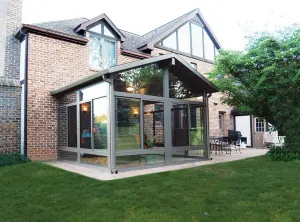
At Valley Roofing & Exteriors, the goal is to help homeowners move from uncertainty to clarity. With the right information, it becomes much easier to plan a sunroom that fits both lifestyle and budget. The good news is that we submit permits early, typically within a few weeks after contract, so paperwork does not become a last-minute delay.
A helpful next step is to explore real project examples. Viewing a project gallery can provide a clear understanding of what quality craftsmanship looks like and what is possible for a home.
When ready to move forward, scheduling a discovery call is the best way to get expert guidance tailored to a specific project.