Do Shingles Seal in Cold Weather?
What to Expect in Winter


What to Expect in Winter
By James Groff
You step outside, and the air bites back. Frost is glittering on the lawn and dusting your roof.
Every winter, we hear the same concern: Will asphalt shingles seal in this cold weather, or are they one gust away from lifting? And if they don’t seal right away, does that mean the roof was installed incorrectly?
In most cases, the answer is no. Cold weather can delay sealing, but a properly installed shingle roof is not automatically compromised. When shingles are nailed correctly and installed under safe conditions, modern seal strips bond when the shingles reach the right surface temperature. Cold can delay sealing, but it doesn’t automatically mean the roof is compromised. Plainly speaking, the details matter more than the calendar.
At Valley Roofing & Exteriors, we have installed roofs in the Shenandoah Valley since 2004. Winter “will it seal?” questions come up every year, so let us break down what is normal, what is not, and what professionals do to protect your home during cold-weather installs.
In this article, you will learn what “sealing” really means, how cold affects it, what pros do to protect against wind while sealing is delayed, and when winter roofing makes sense.
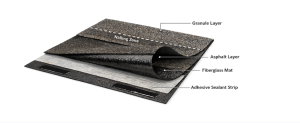
Modern asphalt shingles are designed to lock together. They do not “stick” like tape or a sticker. Instead, most shingles use a factory-applied, heat-activated adhesive strip (often called an adhesive sealant strip). After installation, the sun and heat activate that strip to bond the shingles together.
That is the key: cold weather usually does not prevent proper installation, but it can slow the sealing process.
That is also why many manufacturer bulletins explain that shingles not sealing immediately in cold conditions is typically a temperature and sun-exposure issue, not a manufacturing defect.
Yes, mainly in two ways: handling and sealing.
Bottom line: winter roofing is not “slap it on and hope.” It is a details game: proper storage, careful handling, correct fastening, and choosing safe installation windows.
There is not one universal number because it depends on the specific product and the manufacturer’s instructions. But from a practical standpoint, here is what matters most:
If you are comparing estimates, ask your roofer what temperature guidelines they follow and how they handle cold-weather sealing and wind resistance until the roof heat-cycles.
Yes, winter installation can be done here, provided conditions are safe and the crew follows cold-weather best practices.
The Shenandoah Valley has its own winter personality: cold nights, daytime melt, then refreeze. You can go from bright sun off the Blue Ridge to slick frost and wind in a matter of hours. Add in steep slopes, valleys, dormers, and historic rooflines, and winter work needs to be approached with extra discipline.
One industry guideline we take seriously: avoid working when there is frost or ice on the roof surface. Beyond being hazardous, poor footing and rushed movement can compromise installation quality.
Because of these conditions, many homeowners wonder whether winter roofing is inherently risky.
Interestingly, our crewmembers say they prefer installing a roof in January rather than in July or August. In extreme heat, shingles get soft and scuff and nails are easier to overdrive.
In 2018, a February derecho (a straight-line wind event) hit like a sustained blast, around 50 mph for about 30 minutes in the Valley. This occurrence is the extract scenario people fear when shingles have not heat-cycled yet.
Valley Roofing had installed a roof on a hilltop shortly before the derecho, in cold conditions. That roof lost zero shingles, which the Valley Roofing & Exteriors crew credits to correct fastening and details, even before full seasonal heat cycling.
Hand-sealing is not automatically required for every winter roof. In our market, we typically hand-seal shingles only on mansard/very steep roofs (generally over 12/12 pitch) where manufacturer instructions require it.
Hand-sealing means applying small, manufacturer-approved amounts of roofing cement or sealant in specific locations to encourage bonding and reduce the risk of wind lift while natural heat-cycling catches up.
GAF is one of North America’s leading roofing and waterproofing manufacturers. The company describes hand-sealing as using roofing cement meeting American Society for Testing and Materials (ASTM) standards to help assure/enhance sealing in cold weather/high wind/steep slopes.
This type of project is not a DIY weekend job. Done incorrectly, too much sealant or incorrect placement can cause problems. Done correctly by our trained professionals, it can be an effective cold-weather and high-wind precaution.
Shingles are only one layer of protection. Winter performance depends on the full roof system. A winter-ready roof should include:
Manufacturers and industry resources emphasize that good ventilation matters in cool-weather installs as it reduces condensation risk and supports overall winter performance. Condensation issues can mimic leaks and can lead to bigger problems if ignored.

Cold weather and winter storms can reveal weak points fast. Watch for:
If you notice these signs, your roof may be trying to tell you something. Sometimes it is quiet at first, then it becomes urgent during the next storm.
If your roof was installed during cooler months, it is fair to ask: Did the shingles fully bond? A few important points to consider:
One common real-world cause of ‘won’t seal’ complaints is nail placement. With laminated shingles, nails must be driven in the correct zone. Improper placement or overdriven nails can prevent proper contact at the seal line and increase the chance of lift.
If you are unsure, a professional inspection can confirm whether shingles are sealing as expected or if any preventative steps are needed.
Surprisingly, there are several upsides to winter roofing:
Remember, winter installs still depend on safe, dry deck conditions.
Winter roofing concerns can be emotional because your roof is more than simply a building component. Your roof is all that stands between your loved ones and the elements.
If your roof is leaking, then waiting for spring may cost you more than addressing it safely now.
If your shingles were installed in cold weather and you are worried about wind, ask your contractor what cold-weather precautions were used (storage, fastening adjustments, steep-slope requirements, and whether hand-sealing was required by the manufacturer).
If you see ice dam signs or attic moisture, the root cause may be ventilation and insulation, not necessarily a case of “bad shingles.”
If you want to see what winter-ready roof details look like, browse our project photos with an eye for starter strips, flashing lines, valleys, and ice-and-water protection placement.
When you are ready for numbers, Valley Roofing & Exteriors will provide a free and straightforward estimate explaining what cold-weather precautions would (or would not) be used on your roof in the Shenandoah Valley.